
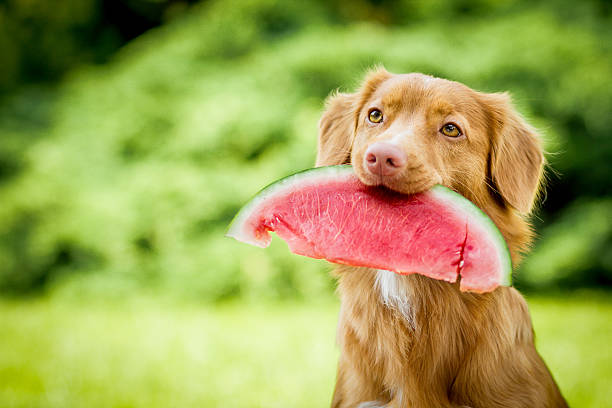
You’ve just cut yourself a thick slice of watermelon on a hot afternoon. It’s cool, juicy, and exactly what you wanted. Then you notice your dog watching, apparently convinced that your snack deserves their immediate attention.
Sharing a little seems harmless enough. But can dogs actually eat watermelon?
Yes. Most healthy dogs can enjoy small amounts of plain watermelon as an occasional treat, provided you remove the seeds and rind first.
The soft, juicy flesh is generally safe, and many dogs enjoy its sweetness. Still, a few simple precautions make the difference between a pleasant summer snack and an unnecessary trip to the veterinarian.
Is Watermelon Good for Dogs?
Watermelon contains approximately 92% water, which explains its refreshing texture. It also provides some vitamins and minerals, including vitamins A and C and potassium, while containing relatively few calories compared with many richer treats.
For a dog who enjoys the flavor, a few pieces can make a pleasant change from their usual snacks. The fruit also contributes a little extra water to their diet.
But watermelon isn’t a treatment for dehydration or a way to protect your dog from overheating. Fresh drinking water, shade, and somewhere cool to rest remain essential, especially during hot weather.
And although watermelon contains useful nutrients, your dog doesn’t need it to stay healthy. A complete and balanced dog food should already provide the nutrition they require.
Think of watermelon as an enjoyable extra, not an important part of their diet.
Which Parts of Watermelon Can Dogs Eat?
Imagine giving your dog an entire watermelon slice, just as you might eat it yourself. They might happily chew through the sweet flesh without stopping when they reach the thick green edge.
That’s where problems can begin.
Only offer the soft red or yellow flesh, with the seeds and rind removed. Those other parts are best kept away from your dog.
Are Watermelon Seeds Dangerous?
Watermelon seeds aren’t something you should deliberately feed your dog.
A few accidentally swallowed seeds are unlikely to cause problems for most dogs, so missing one isn’t usually a reason to panic. However, seeds can present a choking risk, particularly for smaller dogs, and swallowing large quantities may contribute to an intestinal blockage.
The simplest precaution is to remove them before serving. Seedless watermelon is another convenient option, although it’s still worth checking each piece.
Why Should Dogs Avoid Watermelon Rind?
The thick green-and-white rind is much tougher than the flesh and difficult for dogs to digest.
Chewing or swallowing it can cause digestive upset, and larger swallowed pieces may become lodged in the stomach or intestines, creating a potentially serious obstruction.
Don’t give your dog watermelon rind as a chew.
Keep discarded rinds out of reach, too. A dog investigating picnic leftovers or an open kitchen bin may swallow pieces before you realize what’s happening.
How Much Watermelon Can You Give Your Dog?
A few small pieces may be a modest treat for a Labrador but a much larger proportion of the day’s extras for a Chihuahua.
The appropriate amount depends on your dog’s size, usual diet, health, and the other treats they’ve already eaten.
A useful guideline from the World Small Animal Veterinary Association is that treats and extras combined should account for no more than about 10% of a dog’s daily calories. The remaining calories should come from a complete and balanced diet.
That doesn’t mean 10% of their food bowl should contain watermelon. It’s a calorie guideline covering everything extra your dog eats throughout the day.
If your dog has never tried watermelon, start with a small bite of prepared flesh and see how they respond. Eating too much can cause loose stools, gas, or other digestive discomfort.
For most healthy dogs, a few appropriately sized pieces are plenty.
Three Simple Ways to Serve Watermelon
You don’t need a special recipe to make watermelon appealing to your dog. In fact, keeping it simple is usually the best approach.
Fresh Watermelon Pieces
Wash the outside of the fruit before cutting it. Remove the rind and seeds, then cut the flesh into small pieces suitable for your dog’s size and chewing habits.
Offer a couple of bites as an occasional treat, without adding sugar, salt, or anything else.
Chilled Watermelon
If your dog enjoys cool snacks, refrigerate a few prepared pieces before serving them.
Chilled watermelon can be especially appealing on a warm day, although some dogs may prefer it at room temperature. Either option is fine.
Avoid offering large, hard frozen chunks, particularly to dogs that tend to gulp food or chew forcefully.
Watermelon on a Lick Mat
For a little variety, mash or blend some seedless, rind-free watermelon into a smooth purée.
Spread a small amount onto a suitable lick mat or place it inside a dog-safe enrichment toy. You can chill the purée if your dog prefers it cool.
There’s no need to add yogurt, sweeteners, or other ingredients. The watermelon itself is enough.
Whatever serving method you choose, supervise your dog and keep the portion within their usual treat allowance.

What if Your Dog Eats Watermelon Rind?
Perhaps your dog reaches the picnic leftovers before you do. When you turn around, there’s a half-chewed rind on the ground, and you’re not sure how much they’ve swallowed.
The amount and size of the missing pieces matter.
A small accidental nibble doesn’t automatically mean your dog will become ill. But swallowing a substantial piece of rind can be dangerous because of the risk of intestinal obstruction.
If your dog has swallowed a large piece of watermelon rind, contact your veterinarian promptly, even if they seem normal at first.
Signs of a possible digestive problem include:
- Repeated vomiting
- Abdominal pain or obvious discomfort
- Loss of appetite
- Unusual tiredness or lethargy
- Difficulty passing stool
These symptoms don’t necessarily mean there’s an obstruction, but they do warrant veterinary attention. Persistent vomiting, significant abdominal pain, or marked distress call for urgent care.
Don’t try to make your dog vomit or give home remedies unless your veterinarian instructs you to do so.
The same general caution applies if your dog becomes unwell after eating a large quantity of watermelon flesh. Even a normally safe food can cause trouble when eaten in excess.
Are There Dogs Who Should Avoid Watermelon?
Not every dog has the same dietary needs.
Watermelon contains natural sugars, so dogs with diabetes may need a more carefully controlled feeding plan. Dogs with digestive sensitivities, certain medical conditions, or prescribed veterinary diets may also need to avoid unfamiliar treats.
If your dog falls into one of these groups, ask your veterinarian before offering watermelon.
And if your dog simply doesn’t like the taste, that’s perfectly fine. Some dogs eagerly investigate every piece of fruit they’re offered; others take one sniff and walk away.
Watermelon is an optional treat, not something your dog needs to eat.
A Little Taste of Summer
There’s something pleasant about enjoying a quiet summer afternoon with your dog nearby, especially when they’re interested in sharing a little of whatever you’re eating.
Fortunately, watermelon is one human snack that most healthy dogs can enjoy in moderation.
Remove the seeds and rind, offer a few small pieces of the plain flesh, and pay attention to how your dog responds. Keep fresh drinking water available, particularly on warm days.
A little watermelon can be a refreshing treat for your dog. The important thing is to serve the right part, in the right amount.
And if your dog decides they don’t like it, at least there’s more watermelon left for you.
Sources & Further Reading
- Arnold, V. L. (2025). Can Dogs Eat Watermelon?. PetMD. Reviewed by Jennifer Coates, DVM.
- Bovsun, M. (n.d.). Can Dogs Eat Watermelon? Benefits, Risks, and Safe Serving Tips. American Kennel Club.
- VCA Animal Hospitals. (n.d.). Top Five BBQ Foods That Cause Bowel Obstructions in Dogs.
- World Small Animal Veterinary Association. (2024). Feeding Treats to Your Dog. WSAVA Nutrition Committee.
- Cornell University College of Veterinary Medicine. (n.d.). Summer Heat Safety Tips for Dogs.

