
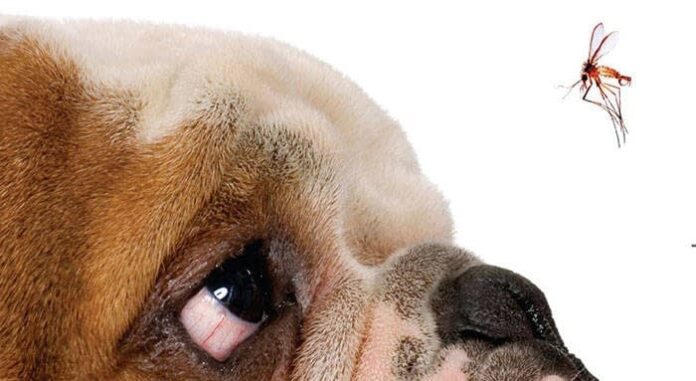
On a warm Mediterranean evening, your dog might be resting in the garden while a tiny sandfly passes almost unnoticed. If that insect is carrying Leishmania, its bite can transmit an infection that may not cause obvious problems straight away.
That delay is one of the things that makes canine leishmaniasis difficult to recognize. Some infected dogs remain well without obvious signs, while others develop problems affecting the skin, eyes, kidneys, or their general health.
Knowing how the infection spreads, what changes to watch for, and how vets investigate and manage the disease can be especially useful if you live in or travel through an area where sandflies are present.
How Do Dogs Get Leishmaniasis?
Canine leishmaniasis is caused by parasites in the genus Leishmania. Dogs usually become infected when an infected phlebotomine sandfly bites them while feeding.
The disease is well established in parts of the Mediterranean and other regions where both the parasite and its sandfly vectors occur. But finding cases in a country does not necessarily mean dogs are becoming infected there locally.
The United Kingdom, for example, is considered non-endemic. Most reported cases involve dogs that were imported from affected regions, and the sandfly linked to transmission is not known to occur there. Germany has recorded sandflies only occasionally, while locally acquired canine infections appear to be rare.
That is why a dog’s travel and residence history can matter. Where a dog has lived or travelled may be just as important as where they live now.
There is also an important difference between being infected with Leishmania and developing clinical leishmaniasis. A dog may carry the parasite without showing signs of illness, while another may become seriously unwell.
What Happens After an Infected Sandfly Bites?
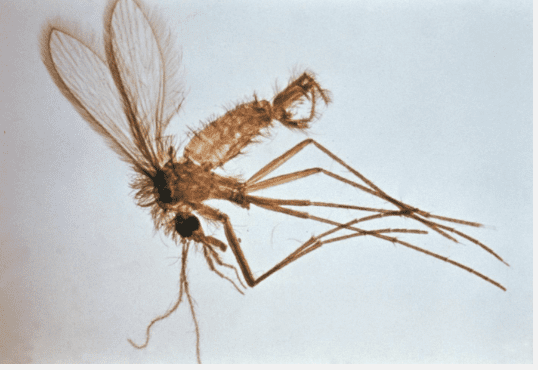
Sandflies are tiny and can be easy to miss. Many species are most active from dusk through the night and sometimes around dawn, although their activity varies with climate, location, and species.
When an infected sandfly feeds on a dog, it can introduce Leishmania parasites into the body. The parasite then changes form as part of its life cycle.
Inside the sandfly, the parasite has a flagellum—a tail-like structure that helps it move. Once inside the dog, these flagellated forms are taken up by immune cells called macrophages. Inside those cells, the parasites change into a smaller form without an external flagellum and begin to multiply.
Macrophages normally help defend the body by engulfing microorganisms and other unwanted material. Leishmania, however, can survive and multiply inside them.
This relationship with the immune system helps explain why infection can be difficult to control and why two infected dogs may have very different outcomes.
Why Do Some Dogs Become Ill While Others Don’t?
Not every infected dog develops the same problems. Some show no obvious signs for a long time, while others gradually become unwell.
The dog’s immune response plays an important role, along with the extent of the infection and other individual factors.
Skin and coat changes are among the things an owner may notice. A dog might develop patches of hair loss, changes in the skin, or a coat that looks duller than usual. Some dogs with leishmaniasis develop skin problems without much itching, although this is not a reliable rule.
The eyes may become inflamed or cloudy, and nosebleeds can also occur.
Some dogs also lose weight, seem unusually tired, tire more easily on walks or exercise, or develop enlarged lymph nodes.
None of these signs is unique to leishmaniasis. Many other conditions can cause similar changes, so appearance alone cannot tell you what is wrong.
Problems You May Not See
Leishmaniasis can also affect the body in ways that are not obvious from the outside. The kidneys are particularly important because some dogs develop protein loss in the urine or other signs of kidney damage.
In more advanced cases, chronic kidney disease can become a serious complication. A dog may therefore look relatively well while the disease is already affecting internal organs.
Breed may also influence susceptibility. Research suggests that Ibizan Hounds may be more resistant to developing clinical disease, while Boxers may be more susceptible.
But breed does not predict what will happen to an individual dog. An Ibizan Hound can still become ill, and dogs from other breeds may remain infected without developing clinical disease.
How Do Vets Diagnose Canine Leishmaniasis?
Because leishmaniasis can look very different from one dog to another, vets need more than a single symptom or test result to make sense of the case.
They will usually start with the dog’s history, symptoms, and physical examination. Travel or previous residence in an area where leishmaniasis occurs can be an important clue.
Blood and urine tests can then help show how the dog is doing and whether the disease may be affecting internal organs. A blood count may show anemia, while blood chemistry and protein measurements can reveal other changes. Urine testing is especially useful for checking for protein loss and possible kidney involvement.
These findings can show that something is wrong, but they do not confirm leishmaniasis by themselves.
Specific tests for Leishmania may also be needed. A quantitative antibody test can help assess the dog’s immune response to the parasite. In some cases, vets may also use PCR or microscopic examination of a suitable sample to look for the parasite itself.
Diagnosis comes from putting the whole picture together rather than relying on one result.
That matters because finding evidence of Leishmania infection does not automatically mean the parasite is responsible for every health problem a dog may have.

Can Canine Leishmaniasis Be Treated?
Canine leishmaniasis can often be managed, but treatment is not usually a matter of giving a short course of medication and eliminating the parasite completely.
The aim is to control the disease, improve the dog’s condition, and reduce the risk of complications.
Current clinical guidance includes combinations such as meglumine antimoniate with allopurinol or miltefosine with allopurinol. The best option depends on the dog, including how advanced the disease is, how well the kidneys are working, other health problems, and which treatments are available or approved locally.
These medicines require veterinary supervision and are not treatments owners should choose or use on their own.
Even when a dog responds well, improvement does not necessarily mean the parasite has disappeared completely. Relapses can happen, and some dogs need long-term follow-up.
Your vet may monitor symptoms, blood and urine results, and kidney function over time. Treatment can then be adjusted if the dog’s condition changes.
How Can You Reduce the Risk?
Because infected sandflies are the main route of transmission, reducing the chance of bites is an important part of prevention in areas where they occur.
Many sandfly species are more active during warmer periods and feed mainly around dusk and at night. But activity varies between regions, so local advice is more useful than following the same calendar everywhere.
During higher-risk periods, keeping dogs indoors at certain times may help reduce exposure. Fine-mesh screens can also help limit the number of sandflies entering living spaces.
These measures cannot prevent every bite, but they can be useful as part of a wider prevention plan.
Choosing Protection Against Sandflies
Some veterinary parasite-control products can help reduce a dog’s exposure to sandflies and lower the risk of Leishmania infection.
Depending on the country and what is approved there, options may include collars containing deltamethrin, collars containing flumethrin with imidacloprid, or spot-on treatments containing permethrin with imidacloprid.
Not every flea or tick treatment protects against sandflies. Active ingredients, approved uses, and suitability vary, so it is worth checking the label and asking your vet which option makes sense for your dog.
If you have cats at home, be especially careful with dog products containing permethrin. Permethrin can be highly toxic to cats, including if a cat licks or has close contact with a recently treated dog. Follow the product label carefully, and call your vet straight away if you think your cat has been exposed.
No product can guarantee complete protection. Using an appropriate product together with sensible steps to reduce exposure is more useful than relying on one measure alone.
What Should Dog Owners Keep in Mind?
One of the difficult things about canine leishmaniasis is that infection can remain unnoticed for some time. One dog may appear healthy despite carrying the parasite, while another may develop signs that could easily be mistaken for other illnesses.
If you live in or travel through an area where leishmaniasis occurs, pay attention to changes in your dog’s coat, skin, eyes, energy, or general health. If something does not seem right, have your dog checked by a vet rather than trying to identify the disease from one symptom.
It is also worth telling your vet about any relevant travel or previous residence in an endemic area. That information can help them consider infections that might otherwise be less obvious.
For dogs living where sandflies are present, locally appropriate prevention can reduce exposure.
Canine leishmaniasis may begin with a bite nobody notices, but knowing the risks, noticing changes in your dog’s health, and using appropriate prevention can make a real difference.
Sources & Further Reading
- European Scientific Counsel Companion Animal Parasites (ESCCAP). (2024). Control of Vector-Borne Diseases in Dogs and Cats — Guideline 05. ESCCAP.
- Solano-Gallego, L., Miró, G., Koutinas, A., Cardoso, L., Pennisi, M. G., Ferrer, L., Bourdeau, P., Oliva, G., & Baneth, G. (2011). LeishVet Guidelines for the Practical Management of Canine Leishmaniosis. Parasites & Vectors, 4, 86.
- Merck Veterinary Manual. (2026). Leishmaniosis in Dogs. Merck Veterinary Manual.
- PDSA. (2023). Permethrin Toxicity in Cats. PDSA.

