
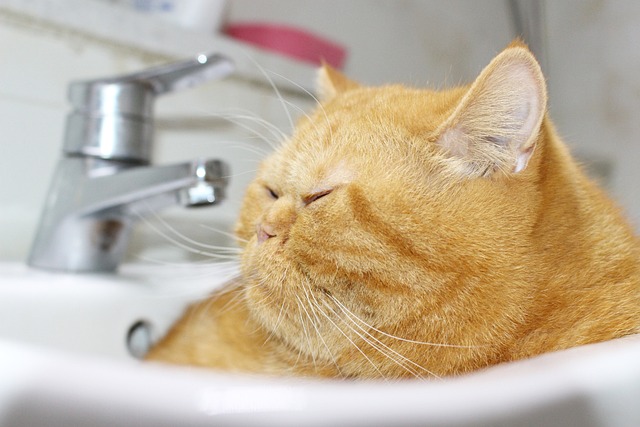
A round, fluffy cat curled up on the sofa can look irresistibly charming. Social media has even given these cats an affectionate nickname: “chonky.” But while those images are easy to celebrate, they can also make extra weight seem like little more than part of a cat’s appearance.
A cat may look perfectly content while carrying more body fat than is healthy, and gradual weight gain can be surprisingly difficult to notice when you see the same animal every day. What matters is not simply how round a cat looks, but what its body condition may mean for movement, health, and everyday comfort.
So how can you tell whether your cat may be overweight? And if weight is becoming a problem, what does safe weight management actually involve?
Is Your Cat Actually Overweight?
A photograph cannot reliably tell you whether a cat is at a healthy weight, and neither can a number on the scale by itself. Cats differ in size, build, and body composition, so the same weight can mean very different things for different animals.
Body condition offers a more useful starting point. Look at your cat from above and gently feel along the sides of the chest. At a healthy body condition, you may be able to see a waist behind the ribs, while the ribs should be possible to feel with light pressure beneath a modest covering of fat.
These observations can help you notice when a closer assessment may be worthwhile, but body shape varies between cats. Veterinarians use body-condition assessments alongside other information about a cat’s build and health to judge whether excess body fat is present.
Many veterinarians use a nine-point body condition score, or BCS, to describe how much body fat a cat is carrying. A score around 5 out of 9 generally represents an ideal body condition, while higher scores reflect increasing fat coverage. The score is based on features such as the ribs, waist, and abdominal contour rather than body weight alone.
If you are uncertain, an individual assessment is more useful than comparing your cat with photographs online or deciding that a particular number on the scale must be the goal.
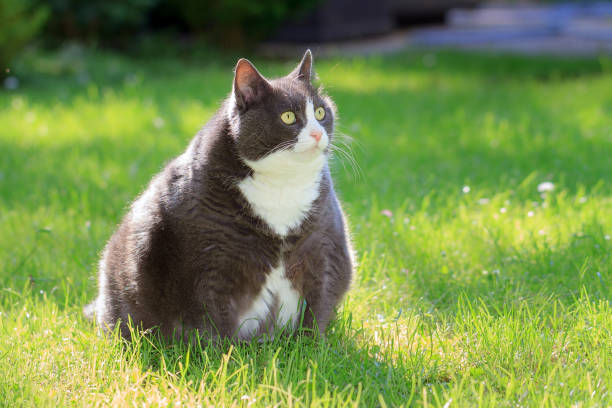
When Extra Weight Makes Everyday Life Harder
Cats can make jumping, climbing, and sudden bursts of play look effortless. Carrying excess weight can make some of those familiar movements more demanding.
You might notice a cat hesitating before jumping onto a favorite chair or windowsill, playing for shorter periods, or becoming less willing to move around. Changes like these become more informative when considered alongside body condition and other aspects of the cat’s health.
Reduced activity can have many causes, including pain, illness, or age-related changes. That is why changes in movement are worth noticing without assuming that weight alone explains them.
Excess weight can matter to health as well. Overweight cats are predisposed to diabetes mellitus, and additional body weight can place more strain on joints or make existing mobility problems harder to manage.
Another concern is hepatic lipidosis, commonly called fatty liver disease. It can develop when a cat—particularly one carrying excess weight—eats very little or stops eating for a sustained period, often because another illness has affected appetite.
One missed meal does not mean a cat will develop hepatic lipidosis. A marked or persistent reduction in food intake, however, deserves prompt attention rather than being treated as an opportunity for weight loss.
The important question is not whether a cat simply looks round. It is whether body condition is beginning to affect health, comfort, or the ease with which the cat moves through everyday life.
Why Do Some Cats Gain Weight?
Weight gain often happens gradually. Small changes in portions, treats, activity, or routine can accumulate slowly enough that they are easy to miss.
A cat’s energy requirements can also change with age, neuter status, health, and activity level. The home environment matters too because it shapes the opportunities a cat has to move, explore, climb, and play.
Indoor living is not inherently a problem. Some indoor cats are highly active, while others need more deliberate opportunities for movement and stimulation. What matters is how well the routine and environment support the individual cat.
Feeding habits can play a part as well. Treats may become part of everyday interactions, and leaving food available throughout the day can make intake harder to track. The effect of either habit depends on the cat’s overall intake, activity, health, and circumstances.
Looking at the whole routine is therefore more useful than searching for a single culprit. How much is your cat actually eating? Has activity changed? Have portions or treats gradually increased? Are there health changes that could be contributing?
If weight gain seems difficult to explain from the routine, it is worth discussing with a veterinarian rather than assuming that the answer is simply to put less food in the bowl.
Why Safe Weight Loss Requires More Than Smaller Portions
Once a cat is identified as overweight, serving less food may seem like the obvious solution. But safe weight management involves reducing excess calories without compromising the nutrients the cat still needs.
Substantially reducing portions of a regular maintenance diet can leave a cat without enough essential nutrients, even when the aim is simply to reduce calorie intake. When significant calorie restriction is needed, the choice of food matters as well as the amount being served.
There is no single weight-loss diet or portion that suits every cat. The appropriate food, target body condition, calorie intake, and rate of weight loss depend on the individual animal and any other health concerns.
The pace matters too. Weight loss should be gradual and monitored rather than approached as a crash diet, particularly because prolonged inadequate food intake can be dangerous for cats carrying excess weight.
If your cat stops eating or their food intake drops sharply, contact a veterinarian promptly. Do not treat the reduced intake as part of the weight-loss plan. Repeated vomiting, marked weakness, collapse, difficulty breathing, or yellowing of the gums, skin, or eyes need urgent veterinary attention.
Once an appropriate feeding plan is in place, measured meals can make intake easier to track and make gradual adjustments more precise.

Helping Your Cat Move More Without Forcing Exercise
Increasing activity does not have to mean putting a cat through an exercise program. A more useful approach is to create opportunities for movement that fit naturally into feline behavior.
Cats may enjoy climbing, scratching, exploring, stalking, chasing, and working for food. A wand toy can encourage short periods of play-hunting, while a food puzzle can turn part of a meal into an opportunity to investigate and manipulate something. Climbing structures or accessible elevated spaces can add movement and variety to the home.
The right activities depend on the cat. An older cat with limited mobility may not be comfortable climbing or chasing toys in the same way as a younger animal. Some cats engage readily with food puzzles, while others need time to become familiar with them or simply prefer different forms of play.
Rather than trying to make a cat exercise, look at the activities it already seems to enjoy and build from there. A short play session, a different type of toy, or an accessible place to climb may fit naturally into the day without turning movement into something the cat avoids.
Diet will usually play a major role in weight management, but movement and enrichment contribute something beyond calorie expenditure. They can also make the cat’s environment more varied and give it more opportunities to express normal feline behavior.
A Healthier Cat Is More Than a Lighter Cat
It is easy to make weight the main measure of success. A falling number on the scale may show that a weight-management plan is having an effect, but it does not tell the whole story.
Look at the cat as well. How comfortably are they moving? Is appetite normal? Are they still interested in exploring, playing, and interacting with their surroundings? Is the plan something the cat and household can realistically maintain?
A veterinarian can help assess body condition, establish an appropriate target, and choose food and portions suited to the individual cat. Regular weigh-ins and repeat body-condition assessments can show whether weight is changing at an appropriate pace and whether the plan needs adjusting. That flexibility matters because cats with similar amounts of excess body fat may have different nutritional needs, physical limitations, and responses to the same approach.
And that brings the question back to the movements that can be so easy to overlook. A comfortable jump onto a favorite chair, a burst of interest in a toy, or the willingness to explore the room may tell you something a number on the scale cannot.
Successful weight management is not simply about making a cat lighter. It is about helping that cat move through everyday life with greater comfort while protecting its health along the way.
Sources & Further Reading
- Merck Veterinary Manual. (n.d.). Feline Hepatic Lipidosis. Merck Veterinary Manual.
- American Animal Hospital Association. (2021). Nutrition and Weight: Young Adult Cats. 2021 AAHA/AAFP Feline Life Stage Guidelines.
- American Animal Hospital Association. (2021). 2021 AAHA Nutrition and Weight Management Guidelines for Dogs and Cats. AAHA.
- Cornell Feline Health Center. (n.d.). Anorexia. Cornell University College of Veterinary Medicine.
Featured image by crystal kim

