
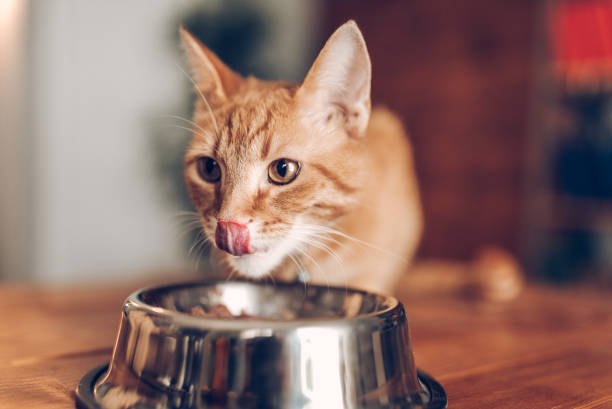

Open a can of cat food, and your cat may appear in the kitchen before you’ve even found a spoon. Shake a bag of kibble, and another cat might come running from the opposite end of the house.
Cats can have surprisingly strong opinions about what belongs in their food bowls. For the people feeding them, though, the decision isn’t always so simple.
Is wet food healthier because it contains more water? Does dry food help keep teeth clean? Should you offer both, or choose one and stick with it?
Both wet and dry cat food can provide complete, balanced nutrition. The important differences involve moisture, calories, convenience, and how well a particular food suits your cat.
There’s no universal winner, but understanding those differences can make choosing much easier.
The Biggest Difference Is Water
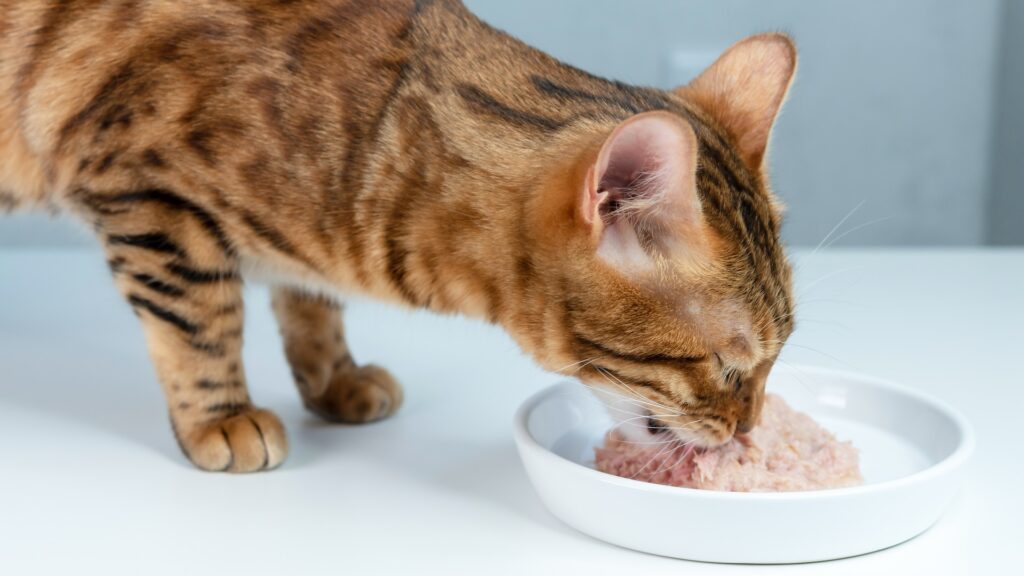
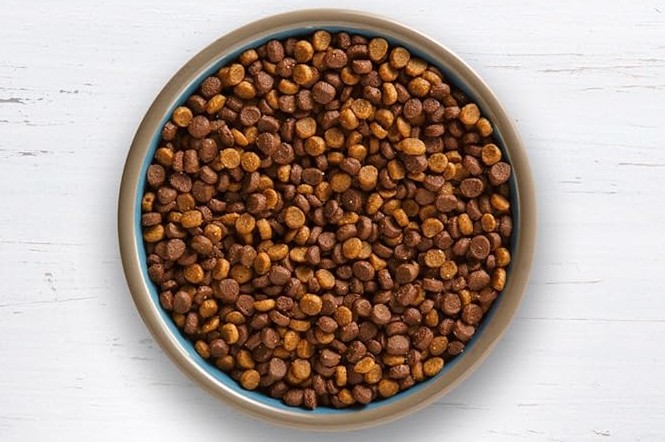
Imagine placing a serving of wet cat food beside a bowl of kibble. One is soft and moist, perhaps surrounded by gravy or jelly. The other consists of small, crunchy pieces.
The most important difference between them isn’t simply their texture.
It’s how much water they contain.
Wet cat food typically contains around 70–80% moisture, while dry food usually contains approximately 6–10%. That difference matters because cats get water from their food as well as from drinking.
A cat eating wet food takes in a substantial amount of water with each meal. A cat eating kibble must obtain much more of its water from other sources.
That doesn’t automatically make dry food unhealthy, but it gives wet food a genuine advantage when increasing water intake is a priority.
What Does the Research Show?
Researchers have examined how dietary moisture affects cats’ water consumption and urine.
In one small study involving six healthy cats, a higher-moisture diet increased their total water intake and produced more dilute urine. A broader review of 32 publications, published in Journal of Animal Science in 2026, also found that food format can influence water consumption.
These findings help explain why wet food is often considered when hydration matters.
But there’s an important distinction: producing more dilute urine doesn’t prove that wet food prevents every urinary disease.
Urinary problems have different causes, and dietary changes may help with some conditions without preventing others. The right approach depends on the individual cat.
For everyday feeding, the practical point is simpler. Wet food provides a useful source of additional water, but fresh drinking water should always be available, regardless of what your cat eats.
Is Wet Food More Nutritious Than Dry Food?
It’s tempting to think wet food must be better because it looks more like meat. But appearance and nutritional quality aren’t the same thing.
Cats are obligate carnivores, meaning they have specific nutritional requirements that include nutrients such as taurine. A properly formulated food must meet those needs whether it comes from a can, pouch, or bag.
Some wet foods contain more protein or fewer carbohydrates than certain dry foods. However, recipes vary considerably, and you can’t reliably judge an individual food by its format alone.
A well-formulated dry food may be more suitable for a particular cat than a poorly chosen wet food. The opposite can be true as well.
So how do you make a useful comparison?
What Should You Look for on the Label?
Start by checking whether the food is labeled complete or complete and balanced for your cat’s life stage.
A food intended as the main diet should provide the nutrients your cat needs in appropriate amounts. Kittens, for example, require food formulated for growth, while adult cats generally need food suitable for adult maintenance.
Be careful with foods described as complementary, supplemental, or for intermittent feeding only. These aren’t intended to provide a complete diet by themselves.
Next, look at the calorie content and feeding instructions. Two foods that appear similar can provide very different amounts of energy.
There’s also a small complication when comparing protein and fat percentages. Because wet food contains so much more water, its nutrient percentages can look lower on the label even when the food provides substantial amounts of those nutrients.
For an accurate nutritional comparison, foods may need to be assessed on a dry-matter basis—in other words, comparing their nutrients after accounting for the water they contain.
You don’t need to calculate that for every product you consider. For most healthy cats, choosing a suitable complete food, feeding appropriate portions, and monitoring body condition are more important than trying to find the highest number on a label.
Where Dry Food Has an Advantage
Wet food offers moisture, but dry food has practical strengths that shouldn’t be overlooked.
Kibble is generally easy to store, measure, and serve. It often costs less per day than wet food, although that depends on the products you’re comparing.
It can also work particularly well with automatic feeders. If your schedule makes it difficult to serve meals at fixed times, a feeder can dispense measured portions of dry food throughout the day.
Dry food usually tolerates being left out longer than wet food, but it still needs proper storage. Follow the manufacturer’s instructions, and don’t assume food can sit in a bowl or feeder indefinitely.
Making Mealtime More Interesting
Kibble also works well in many puzzle feeders and food-dispensing toys.
Instead of simply eating from a bowl, a cat might use their paws to retrieve pieces of food or move a toy to release them. These activities can offer opportunities to explore and engage with their surroundings.
Wet food can be used for enrichment too, including in suitable lick mats and feeders. It isn’t something only dry food can provide.
Whichever method you choose, remember to count the food used in toys toward your cat’s daily allowance. A puzzle feeder shouldn’t accidentally become an extra meal.
Does Dry Food Clean a Cat’s Teeth?
This is one of the most common claims in the wet-versus-dry debate.
Dry food is crunchy, so it seems reasonable to imagine that chewing it scrapes plaque from a cat’s teeth.
Unfortunately, ordinary kibble shouldn’t be assumed to clean teeth simply because it’s crunchy. Pieces may break apart without doing much to clean the tooth surface.
Certain specially formulated dental diets are different. They use particular textures, shapes, or other features designed to help reduce plaque or tartar.
The Veterinary Oral Health Council (VOHC) maintains a list of products that have met its standards for specific dental claims.
That’s an important distinction: a purpose-designed dental diet with supporting evidence isn’t the same as ordinary dry cat food.
And even a dental diet doesn’t replace appropriate oral care and veterinary dental checks.
If you choose kibble, choose it because the food and feeding routine suit your cat—not because you assume every crunchy piece works like a toothbrush.
Can Wet Food Help With Weight Management?
Because wet food contains more water, it generally provides fewer calories per gram than dry food. That means a serving can look larger while providing a similar number of calories.
For some cats, this may be useful when managing portions.
But switching to wet food doesn’t guarantee weight loss. Different products contain different amounts of energy, and a cat can gain weight from eating too much of either format.
What matters is the total number of calories your cat consumes, alongside their activity, health, and body condition.
If your cat is overweight, a suitable feeding plan may involve adjusting portions, reducing extras, or choosing a diet specifically intended for weight management.
It’s also important not to restrict a cat’s food suddenly in an attempt to make them lose weight quickly. Weight loss should be gradual and, when needed, guided by your veterinarian.
What About Kittens, Senior Cats, and Cats With Health Problems?
Your cat’s age and health can influence which food works best, although they don’t automatically determine whether it should be wet or dry.
Kittens need food formulated for growth. Both wet and dry kitten foods can meet those requirements, provided they’re nutritionally complete and appropriate for the kitten’s stage of development.
Senior cats may prefer softer food, particularly if chewing has become uncomfortable. Some may also find the stronger aroma of wet food appealing. However, age alone doesn’t mean a cat must switch formats.
If an older cat suddenly eats less, loses weight, or has difficulty chewing, contact your vet rather than assuming a change in texture will solve the problem.
Cats With Urinary or Kidney Conditions
For cats with certain urinary problems, increasing water intake may be part of the treatment plan. Wet food can help provide that additional moisture.
Cats with chronic kidney disease may also benefit from getting more water through their meals when appropriate.
However, ordinary wet food isn’t automatically a substitute for a prescribed urinary or kidney diet.
Some conditions require careful control of particular nutrients or minerals. A cat with kidney disease, for example, may need a diet formulated to support kidney function, not simply any food that contains more water.
Your veterinarian can help determine the most appropriate combination of nutritional composition, moisture, and food your cat will actually eat.
One important warning: if your cat repeatedly strains to urinate but produces little or no urine, seek emergency veterinary care. A urinary blockage can be life-threatening and cannot be treated by changing food at home.
Can You Feed Both Wet and Dry Cat Food?
Absolutely. Combining the two formats can be a practical solution.
Perhaps your cat enjoys wet food in the morning and eats kibble from a puzzle feeder later in the day. Or maybe wet food provides additional moisture while a measured automatic feeder makes afternoon meals easier to manage.
Those routines can work well.
The key is to remember that the calories from both foods count toward the same daily allowance.
If you add a full portion of wet food on top of your cat’s usual daily amount of kibble, you may end up feeding substantially more than they need.
Instead, adjust the quantities so the combined meals provide an appropriate amount of food.
Both products should also be suitable for your cat’s nutritional needs, particularly if they make up a significant part of the daily diet.
Mixed feeding isn’t necessary, though. A cat can eat a suitable complete wet-food diet or dry-food diet without needing the other format simply for variety.
The goal is to find a routine that works for your cat and that you can maintain consistently.

How Do You Switch Between Wet and Dry Food?
You buy a carefully chosen new food, place a small portion in the bowl, and wait for your cat’s reaction.
They sniff it once, look at you, and walk away.
If you’ve lived with cats for a while, you may recognize this scene.
Cats can develop strong preferences for particular smells, textures, and feeding routines. A cat accustomed to kibble may find pâté or chunks in gravy unfamiliar, even if the food is nutritionally suitable.
Rather than replacing their usual food overnight, introduce the new option gradually.
Start with a small amount beside the familiar meal. Some cats accept foods mixed together, while others prefer them served separately. Pay attention to what yours seems comfortable eating.
For many healthy cats, a transition over roughly 7–10 days is a reasonable starting point, although some need longer.
If you’re introducing a prescribed diet, follow your veterinarian’s instructions, which may be different.
A sudden change can sometimes cause digestive upset. If your cat develops vomiting, significant diarrhea, or a reduced appetite, contact your vet for guidance rather than continuing to increase the unfamiliar food.
Most importantly, don’t try to force a reluctant cat to accept a new diet by withholding food until they’re hungry enough.
A cat who stops eating or eats markedly less needs prompt veterinary advice. Getting enough appropriate food into your cat matters more than persuading them to prefer a particular texture.
So, Which Food Should You Choose?
Wet food has a clear advantage in moisture. It can increase the amount of water your cat receives with meals, which may be particularly useful when hydration is a priority.
Dry food offers convenience, easy portioning, and plenty of opportunities for food-based enrichment.
Both formats can provide complete nutrition when they’re properly formulated, and neither one is automatically the best choice for every cat.
Before deciding, consider what matters for the animal in front of you. Is the food nutritionally complete and suitable for their life stage? Does it meet any medical needs? Are the portions appropriate? Does your cat enjoy eating it, and can you maintain the routine comfortably?
Sometimes the answer will be wet food. Sometimes it’ll be kibble. And sometimes a combination will make the most sense.
Your cat doesn’t need their food to win a debate. They need it to nourish them, suit their needs, and make mealtime a comfortable part of everyday life.
Sources & Further Reading
- Kosmal, P. A. L., Shoveller, A. K., Gillies, G., & Armstrong, L. E. (2026). Diet Format, Protein, Amino Acids, Salt, and Osmolytes, as Well as Water Viscosity, Affect Water Consumption in Domestic Cats: A Scoping Review of 32 Publications. Journal of Animal Science, 104, skaf434.
- Buckley, C. M. F., Hawthorne, A., Colyer, A., & Stevenson, A. E. (2011). Effect of Dietary Water Intake on Urinary Output, Specific Gravity and Relative Supersaturation for Calcium Oxalate and Struvite in the Cat. British Journal of Nutrition, 106(S1), S128–S130.
- Taylor, S., et al. (2025). 2025 iCatCare Consensus Guidelines on the Diagnosis and Management of Lower Urinary Tract Diseases in Cats. Journal of Feline Medicine and Surgery, 27(2).
- Taylor, S., et al. (2026). 2026 iCatCare Consensus Guidelines on the Diagnosis and Management of Chronic Kidney Disease in Cats. Journal of Feline Medicine and Surgery, 28(9).
- Cornell Feline Health Center. (n.d.). Feeding Your Cat. Cornell University College of Veterinary Medicine.
- Association of American Feed Control Officials. (n.d.). Reading Labels. AAFCO.
- American Animal Hospital Association. (2019). Explaining the Role of Nutrition in Dental Health. AAHA.
- Veterinary Oral Health Council. (n.d.). Accepted Products. VOHC.
- Animal Medical Center. (n.d.). Pet Food Transition. The Animal Medical Center.