

You know a veterinarian, so naturally you ask.
Your dog has been acting strangely. Your rabbit is not eating quite like usual. Maybe you have a question about a parrot, a reptile—or, somehow, even an ant. Surely a veterinarian will know.
Sometimes they will. Sometimes the answer will be, “That’s not really my area.”
That can seem surprising until you consider how large veterinary medicine actually is. Veterinarians receive a broad education in animal health, but no one keeps every detail about every species, disease, procedure, and emerging treatment equally close at hand. What a veterinarian uses every day depends heavily on the work they actually do.
And that work extends much further than the pet clinic.
Veterinary medicine includes not only the care of individual animals, but also agriculture, research, food safety, public health, wildlife conservation, and the connections between animal and human health.
Once you see the profession that way, it becomes much easier to understand why one veterinarian’s working life can look completely different from another’s.
Veterinary medicine did not begin with the family pet
Today, the image of a veterinarian is often a familiar one: a dog on an examination table, a cat in a carrier, and a clinic somewhere in the neighborhood.
Historically, though, veterinary medicine grew around a much wider set of needs. Animals were essential for transport, agriculture, food production, work, and military activity, so horses and livestock were central to many early forms of organized veterinary care.
Society changed, science changed, and the relationship many people have with animals changed too. Companion-animal medicine became an important part of the profession, but it never replaced everything else.
The modern pet clinic is one branch of veterinary medicine, not the definition of it.
One profession can lead in very different directions
Put several veterinarians in the same room and they may have remarkably different working lives.
One may spend most of the week treating dogs and cats. Another may work with dairy cattle. Others may study disease in a laboratory or work in public health, wildlife conservation, food safety, or research.
The common thread is veterinary medicine, but the questions change depending on the animal, the environment, and what is at stake. Sometimes the patient is one animal. Sometimes the veterinarian is thinking about an entire herd, a wild population, a food-production system, or a disease that can move between animals and people.
That breadth is part of what makes veterinary medicine difficult to reduce to a single job description.
Clinical practice is bigger than dogs and cats
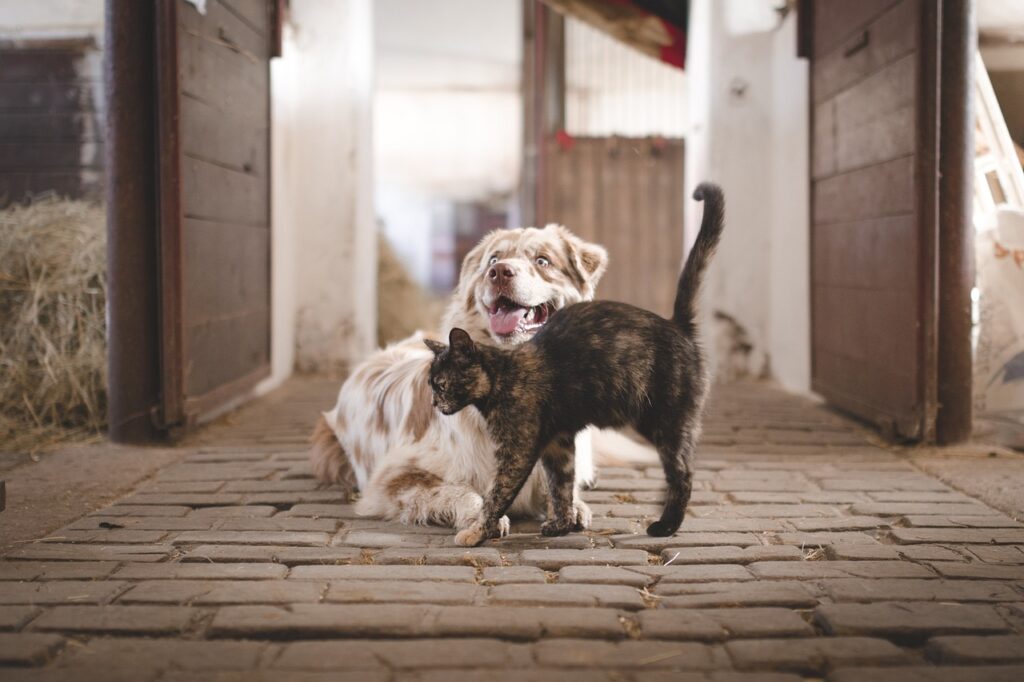
Companion-animal practice may be the part of veterinary medicine most people encounter directly. But even clinical medicine quickly becomes more complicated once you move beyond the familiar dog-and-cat clinic.
A veterinarian treating parrots, reptiles, rabbits, or other less commonly treated species needs knowledge that reflects those animals’ particular biology and needs. A farm-animal veterinarian works in another context again.
Even within companion-animal medicine, the veterinarian is rarely dealing only with biology. The animal lives with people, and decisions about treatment, quality of life, home care, cost, and practicality often happen within that relationship.
So although we can talk about companion animals, farm animals, and exotic pets as broad categories, they are only a convenient way of seeing some of the profession’s variety. They are not neat boxes, and they are certainly not the whole profession.
On the farm, the patient may be bigger than one animal
Farm-animal medicine makes that especially clear.
A veterinarian might examine an individual cow to determine whether she is pregnant. But another visit might involve questions about the health of an entire herd or how a change in farm management could affect the animals.
Modern farming can involve increasingly sophisticated technology, including automated milking systems. When those systems change, animal health and management practices may need to change with them.
That means the veterinarian may be thinking at several levels at once: how is this animal doing, is there a pattern across the herd, and could something in the environment or management system be contributing?
The work still involves treating animals, but it can also involve prevention, herd health, production systems, and the practical realities of agriculture. That is one reason veterinary medicine matters to food production as well as to the animals themselves.
Some veterinarians work where there are no examination rooms at all
Not every veterinarian spends the day seeing patients. Some work in research, where their expertise may contribute to studies of cancer, infectious disease, physiology, animal welfare, or many other areas of science.
Research involving animals can sometimes help scientists investigate questions that are also relevant to human medicine. But the connection needs to be treated carefully: findings in one species do not automatically apply to another.
Veterinary expertise also appears in less obvious places. NASA-supported research, for example, has examined how animals respond to spaceflight, and veterinarians can contribute to research teams or to the oversight and care of animals involved in scientific studies. The purpose may include understanding biological questions relevant to long-duration spaceflight or human health, but research does not guarantee a particular outcome.
There is another important role here too. Animals used in research still require appropriate veterinary care and welfare protections. In that setting, understanding animal health is not separate from doing good science; it is part of the responsibility that comes with it.
Veterinary medicine also reaches your food—and your community
Some veterinary work happens far away from anything that looks like a traditional clinic.
Veterinarians can contribute to food safety at farms, processing facilities, and other parts of the food-production system. They are not the only professionals responsible for food safety, nor is a veterinarian personally checking every stage of every product. The point is broader than that: animal health and human health often meet in the same system.
That becomes particularly important with diseases that can spread between animals and people. In those situations, veterinarians may work alongside physicians, epidemiologists, public-health professionals, microbiologists, and others to understand or reduce the risk.
The focus is no longer simply on how to help one animal. It may also involve what an illness means for a herd, the food supply, or the people who come into contact with those animals.
That is where veterinary medicine becomes part of public health.
Wildlife medicine changes the scale again
Move from a farm or laboratory into the wild, and the questions change once more.
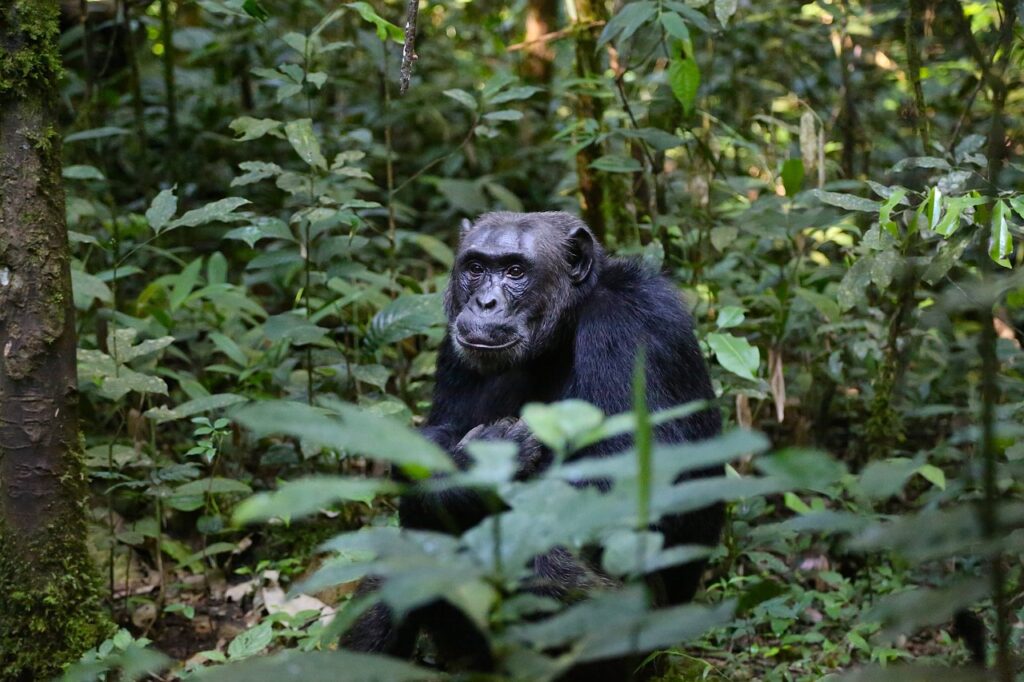
A wildlife veterinarian might treat an injured eagle, work with animals in a conservation program, contribute to the care of marine mammals, or help investigate disease in a wild population. Some veterinarians work with endangered species, including animals such as gorillas. Others contribute to surveillance programs designed to understand what is happening across a population rather than treating a single animal.
Those are very different kinds of work, and not every wildlife veterinarian does all of them. But they illustrate another important feature of the profession: sometimes helping an animal means thinking beyond the animal itself.
Its habitat matters. The health of the surrounding population matters. Human activity may matter. And, for threatened species, the long-term survival of the species may matter too.
Veterinary medicine can therefore sit at the intersection of medicine, ecology, conservation, and population health.
A veterinarian can know a great deal without knowing everything
This brings us back to that question you asked your veterinarian friend.
Why might they hesitate? Because veterinary education provides breadth, while professional life creates depth.
A veterinarian who has spent years working in oncology may know far more about cancer than about the latest developments in routine dental procedures. A veterinarian who regularly treats birds of prey may not spend much time thinking about hamster medicine. Someone working in public health may use a different part of their training every day from someone performing surgery in a companion-animal hospital.
That does not mean the underlying veterinary education has disappeared. It means expertise becomes shaped by use.
Human medicine works the same way. We do not expect every physician to remain equally current in cardiology, neurosurgery, dermatology, psychiatry, and every other medical specialty at once. Veterinary medicine arguably makes that challenge even more obvious because the patient may not even belong to the same species as yesterday’s patient.
Sherlock Holmes famously compared the mind to an attic with limited space. The comparison works rather well here: veterinarians begin with a broad foundation, but the knowledge they keep closest at hand naturally reflects the problems they encounter most often.
That is not a weakness of the profession. It is a consequence of how large the profession actually is.
And veterinary medicine is still expanding
The boundaries are continuing to move.
Telehealth may help veterinarians offer guidance when distance or access makes an in-person visit difficult. But a video call cannot reproduce a physical examination when one is necessary, and when telehealth is appropriate depends on the situation.
Artificial intelligence is another developing area. Researchers and practitioners are exploring whether AI tools can assist with parts of veterinary care, including diagnostic and decision-support tasks. What those systems can reliably do will depend on the particular application, the quality of the evidence, and how they are used. Faster does not automatically mean better, and assistance does not mean replacement.
Veterinary knowledge also intersects with emerging food technologies. Research into cultivated meat, for example, brings animal biology, cell science, and food production into the same conversation. Whether and how those technologies ultimately contribute to sustainable food systems remains an open question.
Meanwhile, older challenges have not gone anywhere. Emerging infectious diseases still need attention, wildlife populations still face pressure, agricultural systems continue to change, and companion animals still walk through clinic doors every day needing individual care.
Veterinary medicine is really about connections
Ask what veterinary medicine is, and the easiest answer is something like “medicine for animals.”
That is true, but incomplete.
Veterinary medicine connects an individual pet with the family caring for them. It connects the health of one farm animal with the health of a herd, wildlife medicine with conservation, and animal disease with public health. Through research, it can also connect questions about one species with much broader questions about biology and health.
That is why two people can both be veterinarians and spend their careers doing almost completely different things.
The profession is not simply bigger than the pet clinic. It operates at different scales—from one animal to an entire population—and across fields that many people never immediately associate with a veterinarian.
So the next time you ask a veterinarian friend about your dog, rabbit, cockatoo, or unusually troublesome ant, do not be too surprised if the answer begins with, “It depends.”
In veterinary medicine, that is often where the interesting part begins.
Sources & Further Reading
- Royal Veterinary College. (n.d.). Equine History of the RVC. Royal Veterinary College.
- American Veterinary Medical Association. (n.d.). One Health. AVMA.
- NASA. (2026). Chief Veterinary Officer. National Aeronautics and Space Administration.
- American Veterinary Medical Association. (n.d.). Connected Care: Telehealth in Veterinary Practice. AVMA.
Featured image by Alexa

