

Your cat is climbing off your lap when one claw catches your wrist. It leaves a thin red line across your skin, perhaps with a tiny spot of blood. You wash the scratch, your cat wanders away, and before long, the whole incident is forgotten.
Most of the time, that’s exactly how the story ends. But occasionally, something different happens. A small bump appears near the original injury, and a week or two later, you notice a tender swelling beneath your arm.
What seemed like an ordinary scratch may have led to cat-scratch disease, a bacterial infection that people can sometimes develop after contact with cats.
Despite its name, the disease involves more than a sharp claw. A particular bacterium must be present, fleas play an important role in its transmission, and the most recognizable symptoms can appear long after the original wound has started healing.
Understanding how this happens can help you recognize symptoms worth investigating, put the risks into perspective, and continue enjoying life with your cat without unnecessary worry.
What Causes Cat-Scratch Disease?
Cat-scratch disease is caused by a bacterium called Bartonella henselae. One of the reasons it can spread unnoticed is that cats may carry the bacterium without showing any signs of illness.
An infected cat might have a perfectly normal appetite, spend the afternoon sleeping in a favorite spot, and behave no differently from any other day. Yet Bartonella henselae may be circulating in its bloodstream.
This doesn’t mean that every cat carries the bacterium or that every scratch from an infected cat will cause disease. Most cat scratches never lead to cat-scratch disease, and infection requires the bacteria to enter a person’s body.
To understand how that can happen, we need to look beyond the cat itself. The familiar scratch is only one part of a transmission cycle in which fleas play an important role.
The Important Role of Fleas
When a cat scratches someone, attention naturally turns to its claws. But the connection between cats and Bartonella henselae often begins much earlier, with the common cat flea.
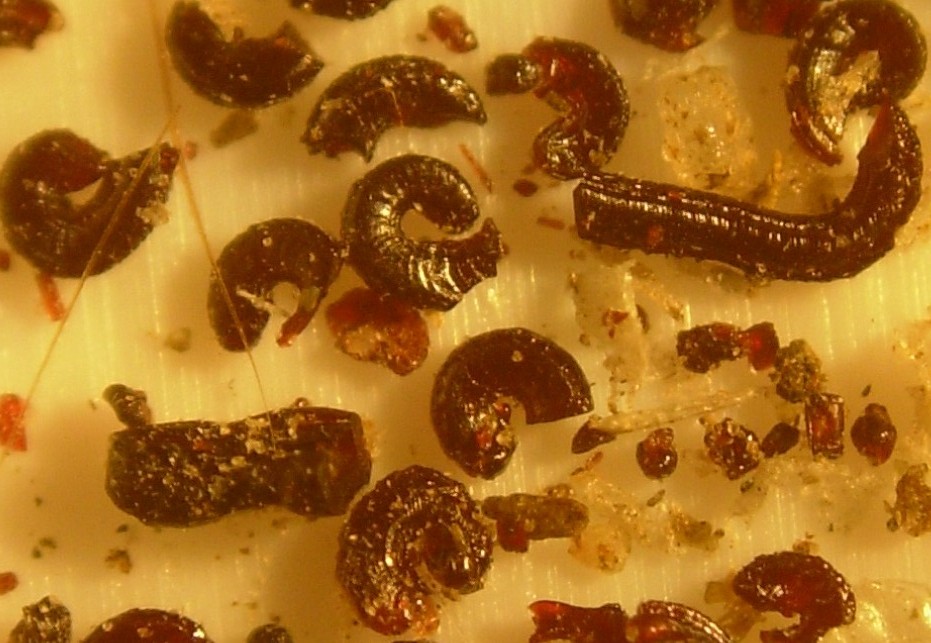
Cats most commonly acquire the bacterium through infected fleas. As fleas feed on an infected cat, they can take up bacteria from its blood and subsequently release them in their droppings.
Those tiny dark particles, often called flea dirt, can contain Bartonella henselae.
Imagine a cat scratching itself to relieve an itch or grooming its fur after encountering fleas. Contaminated flea dirt may become trapped around its claws. If the cat later scratches a person and breaks the skin, bacteria from that material can enter the wound.
This distinction matters. Cats don’t naturally have dangerous bacteria coating every claw, and an ordinary scratch isn’t automatically infectious. Cat-scratch disease develops when the right conditions allow Bartonella henselae to reach a susceptible person.
It also explains why controlling fleas is such an important preventive measure, even when a cat appears perfectly healthy.
Can Cats Transmit Bartonella Without Scratching?
Scratches are the best-known route of transmission, but they’re not the only possibility.
An infected cat can also spread Bartonella henselae through a bite or by licking an open wound. Both situations provide a potential route for bacteria to enter tissue that would otherwise be protected by intact skin.
That doesn’t make ordinary contact with cats dangerous. Stroking your cat, sharing the sofa, or having a cat brush against your hand isn’t equivalent to bacteria entering a wound.
Even when exposure occurs, infection is not inevitable.
Why Are Kittens More Often Involved?
Kittens feature prominently in discussions of cat-scratch disease for two reasons: their biology and their behavior.
Studies have found that young cats are more likely than older cats to carry Bartonella henselae. This makes them a particularly important group in the transmission of the infection.
At the same time, anyone who has lived with a kitten knows how enthusiastically they explore the world. A moving hand becomes an irresistible target, a trouser leg offers an unexpected climbing opportunity, and an ordinary game can quickly involve several tiny claws.
Kittens are still learning how to interact with people, and playful biting or scratching can happen frequently. Combined with their greater likelihood of carrying the bacterium, these behaviors create more opportunities for exposure.
Cat-scratch disease is also more common in children, particularly those under 15, although people of any age can develop it.
None of this means kittens are unsuitable family companions. It makes appropriate play and supervision especially worthwhile. Wand toys, for example, allow kittens to chase and grab something without turning human fingers into part of the game. Teaching children to handle cats gently and letting kittens withdraw when they’ve had enough attention also helps prevent unwanted scratches.
These habits support feline welfare while reducing risks for everyone in the household.
What Should You Do Immediately After a Cat Scratch?
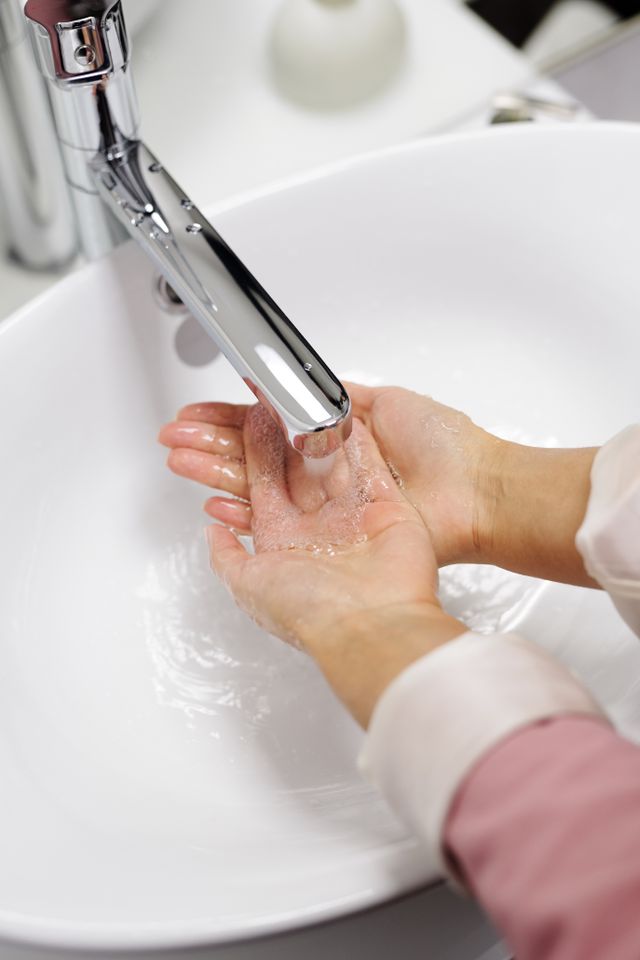
If a cat scratches your skin, the first step is straightforward: wash the affected area thoroughly with soap and running water.
Cleaning the wound promptly helps remove contamination and reduce the risk of infection. If it’s bleeding, apply gentle pressure with a clean cloth until the bleeding stops. You can then cover the area with a suitable clean dressing if needed.
For a minor, superficial scratch, basic wound care is often enough. Keep the area clean as it heals and pay attention to unusual changes.
It’s worth remembering that not every infection following a cat scratch is cat-scratch disease. Other bacteria can enter damaged skin and cause a more immediate wound infection.
A scratch that becomes increasingly red, warm, swollen, painful, or starts producing discharge deserves medical assessment, particularly if you develop a fever or feel unwell.
Why Cat Bites Need Particular Attention
Although scratches are the focus of cat-scratch disease, bites present a separate and sometimes more immediate medical concern.
A cat’s teeth are narrow and sharp, allowing them to create deep puncture wounds that may look surprisingly small at the surface. Bacteria from the cat’s mouth can be introduced beneath the skin, where an infection may develop even when the outside of the wound appears relatively minor.
These infections are often caused by bacteria other than Bartonella henselae. The concern isn’t limited to cat-scratch disease.
If a cat bite breaks your skin, seek prompt medical advice, especially if it creates a puncture wound or affects your hand, face, foot, or an area near a joint.
A healthcare professional can assess the injury and determine whether additional cleaning, antibiotics, or other treatment is appropriate. Depending on the circumstances, they may also need to consider your tetanus vaccination history or the possibility of rabies exposure.
A small puncture can be easy to underestimate. Its appearance doesn’t always reflect the risk of infection beneath the skin.
The Symptoms May Appear After the Scratch Has Healed
One of the distinctive features of cat-scratch disease is the delay between exposure and the development of symptoms.
The original injury may be so minor that you barely remember it. It might even appear to be healing normally when a small raised bump or pustule develops near the scratch site several days later.
The symptom most closely associated with the disease, however, is swelling of nearby lymph nodes.
Lymph nodes are small structures involved in the body’s immune response. They’re found throughout the body, including the neck, armpits, and groin, and may become enlarged or tender when the immune system responds to an infection.
For example, someone scratched on the hand or forearm might later notice a painful lump in the armpit. A scratch elsewhere on the body may be followed by swelling in a different group of nearby lymph nodes.
According to the Centers for Disease Control and Prevention (CDC), this swelling typically develops one to three weeks after exposure.
Other possible symptoms include:
- A small bump or pustule near the original scratch
- Tender or enlarged lymph nodes
- A mild fever
- Tiredness or a general feeling of being unwell
- Headache
Not everyone experiences the same combination of symptoms, and the timing can vary.
It’s also important not to assume that every swollen lymph node following a scratch indicates cat-scratch disease. Other infections and medical conditions can cause similar symptoms.
If you’ve recently been scratched or bitten by a cat and later develop unexplained lymph node swelling or fever, mention that exposure when seeking medical advice. The connection may be easy to overlook once the original wound has faded.
Is Cat-Scratch Disease Dangerous?
For most otherwise healthy people who develop typical cat-scratch disease, the infection is relatively mild and eventually resolves without lasting complications.
Many cases improve without antibiotic treatment. Although that may seem surprising for a bacterial infection, the immune system can sometimes control the illness without medication.
Antibiotics may nevertheless be appropriate in certain circumstances. Research suggests that treatment can help swollen lymph nodes decrease in size more quickly, although the overall benefits in uncomplicated cases are less clear. For an otherwise healthy person, the decision depends on the symptoms and clinical assessment.
The situation is different for people with weakened immune systems. The CDC recommends antibiotic treatment for immunocompromised patients who develop cat-scratch disease because they face a greater risk of serious infection.
Rarely, Bartonella henselae can cause complications involving organs beyond the nearby lymph nodes, including the eyes, nervous system, liver, spleen, bones, or heart.
These complications are uncommon and shouldn’t be treated as the expected outcome of a routine scratch. Nevertheless, they explain why persistent, severe, or unusual symptoms require appropriate medical attention.
When Should You Seek Medical Advice?
There are two main situations to consider: problems developing around the original wound and symptoms that appear days or weeks after exposure.
The distinction matters because an infected scratch or bite may require different treatment from cat-scratch disease.
If the Scratch or Bite Is Becoming Infected
Seek medical advice if the injured area becomes increasingly painful, swollen, red, or warm, particularly if you notice discharge, develop a fever, or begin feeling generally unwell.
These changes can indicate a wound infection, even when Bartonella henselae isn’t involved. Cat bites that break the skin deserve particularly prompt attention because they can introduce bacteria deep into tissues.
Seek urgent medical care for a large or deep wound, bleeding that cannot be controlled, or rapidly worsening symptoms, especially if you’re becoming seriously unwell.
If Symptoms Develop Days or Weeks Later
Arrange a medical assessment if you notice tender, enlarged lymph nodes, a new bump near the original injury, or an unexplained fever following recent contact with a cat.
Tell the clinician about the scratch or bite, even if it happened several weeks earlier. That information may help them recognize the possibility of cat-scratch disease and decide whether further investigation is needed.
Some symptoms call for a more urgent response. Sudden vision loss, seizures, severe confusion, or other significant new neurological symptoms require emergency medical assessment. New visual disturbances or concerning neurological symptoms should also be assessed promptly, even if they seem less severe.
Such complications are rare, but recognizing them matters more than trying to determine their cause at home.
If Your Immune System Is Weakened
People whose immune systems are weakened by certain illnesses or medical treatments may need additional precautions.
If you’re immunocompromised and a cat bite or scratch breaks your skin, seek individualized medical advice rather than assuming routine wound care will always be sufficient.
And if you develop cat-scratch disease, antibiotic treatment is recommended for immunocompromised patients.
Having a weakened immune system doesn’t necessarily mean you must avoid living with cats. It does mean that prevention and timely assessment of possible infections deserve greater attention.
How Can You Reduce the Risk Without Avoiding Cats?
Preventing cat-scratch disease doesn’t require major changes to the way most people live with their pets. The most useful precautions are familiar parts of responsible cat care: effective flea control, gentle handling, appropriate play, and prompt attention to wounds.
Keep Fleas Under Control
Because fleas are central to the transmission of Bartonella henselae among cats, consistent flea prevention is one of the most important preventive measures.
Your veterinarian can recommend an appropriate product based on your cat’s age, health, lifestyle, and local parasite risks.
Cats that remain indoors can still encounter fleas, although indoor living can reduce exposure to fleas and contact with unfamiliar animals.
It’s also essential to use products intended specifically for cats. Some flea treatments formulated for dogs contain permethrin, which can be highly toxic to felines.

Encourage Play That Doesn’t Involve Biting
Play is important for kittens and adult cats, but human hands and feet shouldn’t become regular targets for chasing, grabbing, or biting.
Provide toys that allow your cat to stalk, pounce, and wrestle without injuring someone. Wand toys and other interactive play objects can be particularly useful because they keep some distance between excited claws and human skin.
Avoid rough games that encourage biting, and teach children to recognize when a cat wants to be left alone. Respecting feline body language matters just as much as choosing the right toys, since a cat that feels trapped or overwhelmed may scratch defensively.
Provide Appropriate Scratching Opportunities
Scratching is a normal part of feline behavior. Cats use their claws to maintain them, stretch their bodies, and leave visual and scent signals in their environment.
Providing suitable scratching posts or surfaces helps accommodate that behavior. Keeping claws appropriately maintained may also make accidental scratches less severe.
If your cat ignores its scratching post and keeps choosing furniture, our guide to common cat behaviors explains how to offer a more appealing alternative.
However, declawing is not recommended as a method of preventing cat-scratch disease.
Declawing involves the surgical removal of part of each affected toe and carries significant welfare implications. It isn’t an appropriate substitute for flea prevention, sensible handling, and normal wound care.
Keep Cat Saliva Away From Open Wounds
If you have an open cut or scratch, avoid allowing your cat to lick it.
Although licking may look affectionate, saliva can introduce bacteria into damaged skin. Keeping wounds clean and covered when appropriate is a simple way to reduce unnecessary exposure.
These precautions help reduce infection risks while supporting a comfortable relationship between cats and the people who live with them.
Does Your Cat Need Testing for Bartonella?
If someone in your household develops cat-scratch disease, it’s understandable to wonder whether the cat responsible for the scratch needs testing or treatment.
A healthy cat does not routinely need testing or antibiotic treatment for Bartonella henselae, even when someone in the household has developed the disease.
The CDC advises against routinely testing or treating cats that show no signs of illness. Many infected cats remain healthy, and antibiotic treatment has not been established as a reliable way to eliminate the bacteria completely or prevent future transmission.
Testing can also be difficult to interpret. Evidence that a cat has encountered Bartonella doesn’t necessarily establish that it presents a current infection risk to its owner.
If your cat develops symptoms such as persistent fever, lethargy, loss of appetite, or other unusual changes, a veterinarian should examine it and decide whether testing is appropriate.
For most households with a healthy cat, preventing flea infestations and reducing opportunities for bites and scratches are more useful than attempting to identify and treat every possible carrier.
A Small Scratch, a Bigger Story
A scratch from a playful cat is usually a minor part of everyday life. It may sting for a moment, leave a small mark, and heal without further trouble.
Yet cat-scratch disease reveals a more complicated biological story behind an apparently simple injury. A cat can carry Bartonella henselae without showing signs of illness, fleas can help the bacteria circulate among cats, and the symptoms of human infection may not appear until the original wound has nearly disappeared.
Understanding that process makes it easier to recognize when a scratch deserves medical attention without treating every feline interaction as a potential danger.
For most cat owners, the practical lessons are straightforward: keep fleas under control, encourage appropriate play, clean wounds promptly, and pay attention to symptoms that develop afterward.
Most scratches will never cause cat-scratch disease. But knowing what to watch for means you’ll be better prepared if an ordinary scratch becomes something more.
Sources & Further Reading
- Centers for Disease Control and Prevention. (2026). About Cat Scratch Disease. CDC.
- Centers for Disease Control and Prevention. (2026). Clinical Overview of Cat Scratch Disease. CDC.
- Centers for Disease Control and Prevention. (2026). Veterinary Guidance for Bartonellosis. CDC.
- Centers for Disease Control and Prevention. (2026). Cats: Healthy Pets, Healthy People. CDC.
- National Health Service. (n.d.). Animal and Human Bites. NHS.
Featured image by Jonas Vincent


