
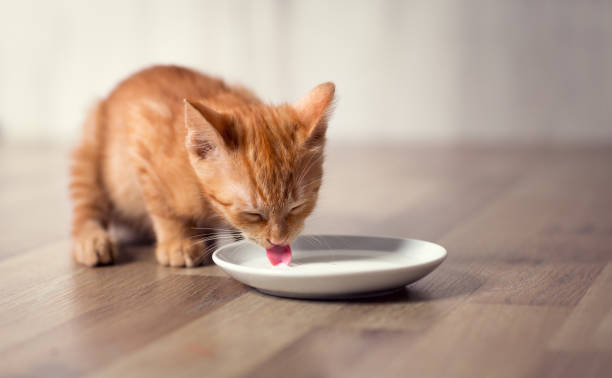

We all know the picture: a cat happily lapping milk from a saucer. It appears in cartoons, children’s books, and old photographs often enough that milk can seem almost as naturally associated with cats as fish or yarn.
The reality is a little different.
A cat may be very interested in milk and still have trouble digesting the lactose it contains. And that ability can change considerably between kittenhood and adulthood.
So why can kittens drink milk while many adult cats do not handle it nearly as well?
Why Milk Digestion Changes After Kittenhood
The key is lactase, an enzyme in the small intestine that helps break down lactose, the main sugar in milk.
Young kittens need lactase because milk is their food. The enzyme splits lactose into simpler sugars that can then be absorbed by the body.
As kittens grow and are weaned, however, lactase activity generally falls. Research comparing kittens and adult cats found a pronounced decline with age, although adult cats also varied considerably from one another.
That variation matters. Lower lactase activity does not mean every adult cat will react in exactly the same way to every drop of milk.
The amount consumed matters, and so does the dairy product. Milk, hard cheese, yogurt, butter, and ice cream can contain very different amounts of lactose and come with different nutritional baggage.
When a cat cannot digest all the lactose it eats, some of it can continue into the large intestine instead of being absorbed earlier in digestion. There it can be fermented by intestinal bacteria and affect the amount of water in the bowel, contributing to digestive upset.
So the familiar image of a cat eagerly drinking milk is not necessarily unrealistic. Wanting milk and digesting it comfortably are two different things.
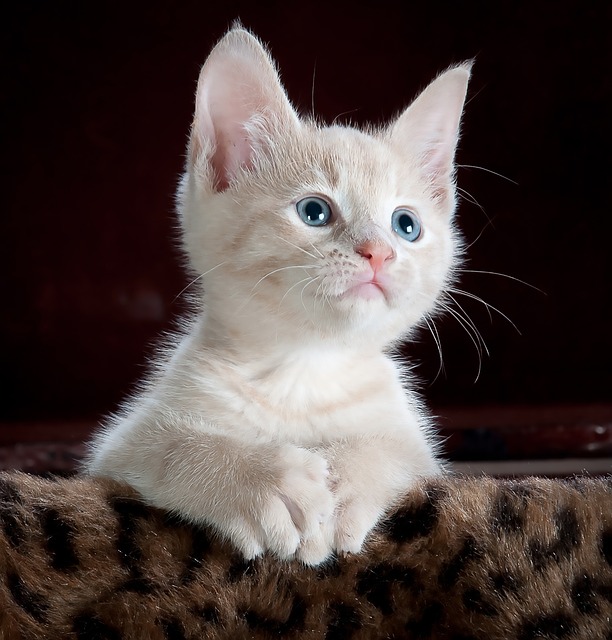
What Digestive Signs Might You Notice?
If a cat has trouble with lactose, the effects are usually digestive. Possible signs include:
- Diarrhea
- Vomiting
- Gas or bloating
- Abdominal discomfort
These signs are not unique to lactose intolerance. A cat can vomit or develop diarrhea for many reasons, so finding an empty milk glass beside a sick cat does not automatically establish the cause.
There is also no single timetable that every cat follows. The amount consumed, the product involved, and the individual cat can all affect what happens.
If you suspect dairy is causing trouble, noticing what your cat ate and when the symptoms appeared can help reveal a pattern. Repeatedly giving milk to “test” that theory is not necessary.
Why Might a Cat Still Like Milk?
If milk may upset a cat’s stomach, why would they want it in the first place?
There probably is not one answer that applies to every cat. The smell, texture, fat, or protein in dairy may all contribute to its appeal, and individual food preferences differ just as they do with other foods.
A cat also has no reason to understand that something delicious now might lead to an unpleasant digestive experience later.
That distinction is useful well beyond dairy: a cat’s enthusiasm for a food tells us that they want it, not that it is especially good for them.
How Do Different Dairy Products Compare?
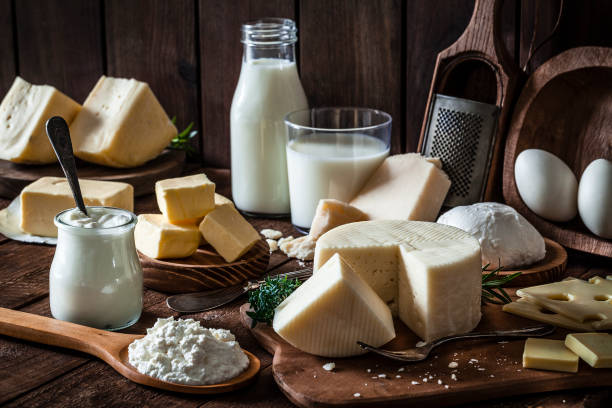
Dairy is not one uniform category, so a cat that reacts badly to milk will not necessarily encounter exactly the same amount of lactose in every dairy product.
Hard cheeses generally contain much less lactose than ordinary milk. That does not make cheese a particularly useful cat treat, though. Cheese can be rich in fat and calories, and cats do not need dairy to complete their diet.
Yogurt also varies. Fermentation can affect its lactose content, but different products contain different ingredients and amounts of lactose. The presence of live bacteria does not make yogurt a dependable solution for a cat that has difficulty with milk.
Butter contains relatively little lactose, but it is mostly fat and still offers little reason to make it a regular treat. We look at that separately in Can Cats Eat Butter?.
Ice cream combines several things that make it particularly unhelpful as a cat treat. Depending on the product, it may contain lactose alongside substantial amounts of fat and added sugar. Cats do not need sugary desserts, regardless of whether lactose happens to be the ingredient that causes the most immediate digestive trouble.
The fact that one dairy product contains less lactose than another therefore does not automatically make it a good food for cats.
What Could You Offer Instead?
The simplest everyday drink for a cat is not a replacement milk at all.
It is fresh, clean water.
If your cat seems especially interested in something milk-like, commercially produced cat milk is one optional treat. These products are often designed to contain less lactose than ordinary cow’s milk, but formulas differ, so check the label rather than assuming every product is completely lactose-free.
Cat milk is still a treat, not something a healthy cat needs for hydration or nutrition.
If you simply want to offer your cat something enjoyable, there are plenty of alternatives that do not depend on dairy. A small amount of plain, fully cooked, unseasoned meat may suit some cats, while purpose-made cat treats are another convenient option.
Whatever you choose, treats should remain a small part of the overall diet rather than displacing nutritionally complete cat food.
What If Your Cat Drinks a Little Milk?
There is no need to panic because your cat managed to lick some milk from a cereal bowl.
Not every cat that consumes dairy becomes ill, and the response depends on the individual cat, the product, and the amount eaten.
If your cat seems completely normal afterward, there may be nothing else to do beyond keeping an eye on them and avoiding making milk a regular habit.
If digestive upset appears, make sure fresh water is available and watch how your cat is behaving. Mild, brief digestive changes are different from repeated vomiting, substantial diarrhea, lethargy, or a cat who stops eating.
And because there is so much individual variation, I would avoid rules such as “one tablespoon is safe” or “cats can always tolerate this much.” Research does not give us one universal serving of milk that every adult cat will digest comfortably.
When Should You Call Your Vet?
A little dairy does not automatically mean a veterinary visit, but symptoms should not be dismissed simply because milk seems like an obvious explanation.
Call your vet if diarrhea is severe or continues, particularly if your cat also seems unwell. Prolonged diarrhea can lead to dehydration.
Repeated vomiting, marked lethargy, abdominal pain, or other concerning changes also deserve veterinary advice.
Loss of appetite is especially worth taking seriously in cats. It has many possible causes and should not simply be blamed on dairy because the timing happens to fit.
For a mature cat, going without food for around 24 hours can already have important health consequences. If your cat seems unwell or the change worries you, call your vet sooner rather than waiting for that point.
Milk, Cats, and a Very Persistent Myth
The image of a cat beside a saucer of milk has lasted for generations because cats really may find dairy appealing.
What the picture leaves out is what happens after kittenhood.
Kittens are equipped to digest the lactose in their mother’s milk. As they grow and wean, lactase activity generally falls, leaving many adult cats less well equipped to deal with larger amounts of lactose.
That does not mean every adult cat is identically “lactose intolerant,” nor does it mean every lick of dairy will cause diarrhea. Individual cats vary, and dairy products vary too.
But milk is not something an adult cat needs.
Your cat may disagree enthusiastically when the milk carton comes out. Their digestive system gets the final vote.
Sources & Further Reading
- Kienzle, E. (1993). Carbohydrate Metabolism of the Cat. 4. Activity of Maltase, Isomaltase, Sucrase and Lactase in the Gastrointestinal Tract in Relation to Age and Diet. Journal of Animal Physiology and Animal Nutrition, 70, 89–96.
- Kienzle, E. (1993). Carbohydrate Metabolism of the Cat. 3. Digestion of Sugars. Journal of Animal Physiology and Animal Nutrition, 69, 203–210.
- VCA Animal Hospitals. (n.d.). Food Intolerance in Cats. VCA Animal Hospitals.
- VCA Animal Hospitals. (n.d.). Diarrhea in Cats. VCA Animal Hospitals.
- Cornell Feline Health Center. (n.d.). Anorexia. Cornell University College of Veterinary Medicine.
- National Research Council. (2006). Your Cat’s Nutritional Needs: A Science-Based Guide for Pet Owners. National Academies Press.